

If you plan on a vacation to any mountains or hills, you need to prepare your body, mental, and items before going on a vacation. Of course, we know that the first thing to do after planning a trip is to book a fantastic hotel under the mountain. However, we also need to prepare several essential items to bring on your vacation. In this case, packing may become a problem when traveling in some mountain and hills resorts. It would help if you packed adequately to have the best vacation experience. To make your trip more comfortable, you should take these essential items with you on your vacation.
Warm Clothes
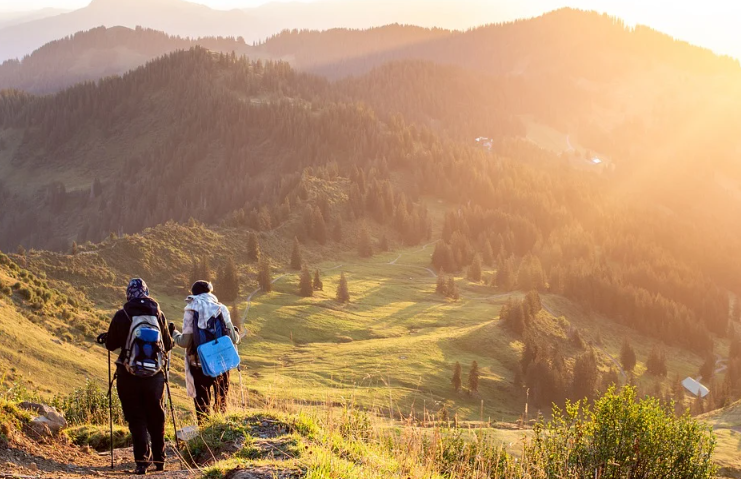
On every single trip to the mountains, warm clothing is essential. In some hills, the climate is cold all year round. So before you plan a trip, think about the climate into consideration. To avoid freezing, you need to keep yourself completely covered in all aspects. This includes the smart look, which will help you stay warm.
Medicines
In case of extreme temperatures and on rocky terrain, you must pay special attention to your well-being. The first aid kit is convenient in times of crisis. Prepare a first aid kit containing all basic items such as plasters, allergy creams, wet wipes, cotton balls, and medicines. In case you have had an allergic reaction to something, pack the essential medications. It may not be possible to get your crucial medicines in a remote place like a hill. Also, the health care package will not take up much space in your travel bag.
Shoes and Socks
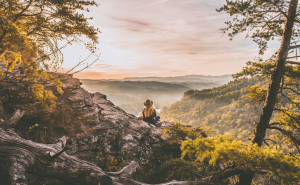 A trip to the mountains involves long walks and exciting activities such as climbing, hiking, and walking through a river. In this scenario, you need to make sure you pack your most comfortable shoes and socks. Pack your hiking boots if you want to walk in the mountains. If it is only for hiking, choose thick shoes. A pair of wool socks can keep your feet warm all night long.
Flashlight
One thing you easily forget on a trip is a flashlight. Almost the entire mountain (all-mountain stations) is subject to power outages, and some may have their streetlights down. If you are exploring the attractions outside of the sunset, it is advisable to bring a flashlight.
Toiletry Bag
Bag in which shampoos, soaps, dental, and personal care products are transported. You cannot find a store in the middle of the trip that sells your favorite brand product. Packing the necessary cars can also be cheap, as it avoids buying branded products. You can use ziplock bags to carry them in the required proportions. This will reduce the extra space needed in travel bags.
Camera
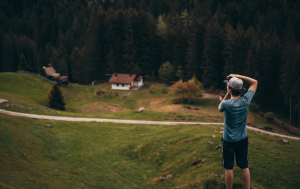 Take your camera with you to turn this perfect beauty into a lifelong memory. The quality and resolution of the photos taken with the camera are unmatched by those who work with smartphones. You can relive the best minutes in the mountains by looking at the pictures you have taken, and this is something that nothing can replace. Also, take a cell phone power unit, a couple of extra batteries, and a camera memory card.
Foods and Snacks
Always pack various foods such as candy, sweets, and waffles, which can help if you bite quickly or get stuck in a faraway place. You travel with small children who are always hungry. You have the option of choosing a bag for a trip. You do not need to cook in the fields or look for restaurants in the deserts at odd hours.

 We all know that the main ingredients of compost are organic material and soil, but there’s more to it than that. The ratio between carbon-heavy materials (like leaves, wood chips, and paper) and nitrogen-rich ingredients (green grass clippings and kitchen scraps) is important for creating the right balance of nutrients in your compost. Too much carbon will make the process move too slowly, while too much nitrogen will cause it to smell bad. You can check the carbon-to-nitrogen ratio in your compost by testing its pH level – an ideal compost should have a pH of around 7.

 Promotional videos are designed to showcase your brand’s products, services, and offerings compellingly and persuasively. These videos aim to captivate audiences, generate interest, and drive conversions. Whether it’s a product launch video, a brand story, or a promotional campaign, these videos leverage storytelling, visuals, and messaging to leave a lasting impression on viewers and inspire action.
 From promotional content that attracts customers to training materials that empower employees, corporate videos encompass a diverse range of formats and purposes, each serving a unique role in enhancing business communication and engagement. By leveraging the power of video storytelling, visuals, and interactive elements, businesses can effectively connect with audiences, convey key messages, and achieve their communication goals.
 Puppy 101 is the introductory course to puppy training. It is a six-week long course that teaches owners how to take care of their pup and what responsibilities come with having a dog. The course includes information on topics such as house training, crate training, feeding, and grooming. Your puppy will also attend a one-hour class each week during the course. This is where they will learn obedience commands such as sit, stay, come, down, and leave it. You will also be given homework to do with your pup outside of the class so that you can practice what you’ve learned.